By Gideon Schulman
EDI—Equality, Diversity, and Inclusion—is now a staple in board reports, staff surveys, and strategic plans. And that’s progress. But here’s the uncomfortable question I often find myself asking:
Is EDI really as inclusive as it claims to be?
Having spent years working across faith-based organisations, disability charities, education, and governance—I’ve seen both the intent and the gaps.
Inclusion Can Still Be Selective
We talk about inclusion, but we often mean specific types:
- Ethnicity
- Gender
- Sexual orientation
Crucial areas, yes. But what about:
- Religion and belief?
- Neurodiversity?
- Invisible disabilities?
- Socioeconomic background?
- Chronic illness and fluctuating conditions?
True inclusion means everyone feels they belong, not just those who fit the current narrative.
The Risk of ‘One-Size-Fits-All’ Inclusion
Many organisations adopt off-the-shelf EDI policies or programmes. They tick the boxes—but they don’t always ask the difficult, contextual questions:
- Can an observant Jewish employee access Kosher food at conferences?
- Are team socials alcohol-free or accessible to those with mobility needs?
- Does “inclusive language” include room for cultural or faith expression?
- Are neurodivergent colleagues able to thrive—or just survive?
EDI isn’t just about who’s in the room—it’s about how they’re treated once they’re there.
Inclusion Requires Listening, Not Just Messaging
I’ve sat on EDI panels where the loudest voices shape the agenda—while quieter or less represented groups go unheard.
Inclusion doesn’t mean speaking for others. It means creating safe spaces where everyone is invited to speak for themselves, without fear of being dismissed or tokenised.
The Role of Leadership
As leaders, we have to model this. That means:
- Welcoming challenge
- Admitting blind spots
- Checking who isn’t in the room
- Avoiding “performative allyship” and focusing on impact over optics
EDI isn’t a department or a statement—it’s a daily discipline.
Final Thought
I’m proud that EDI is on the agenda. But we must keep asking hard questions. Because if we’re not willing to challenge the assumptions within EDI itself—then it’s not truly inclusive.
Inclusion isn’t about who ticks which box. It’s about making space for everyone, especially those who aren’t easily categorised.
If you’re wrestling with how to make your inclusion efforts more meaningful, I’d be glad to share what’s worked—and what still needs work.
About the author
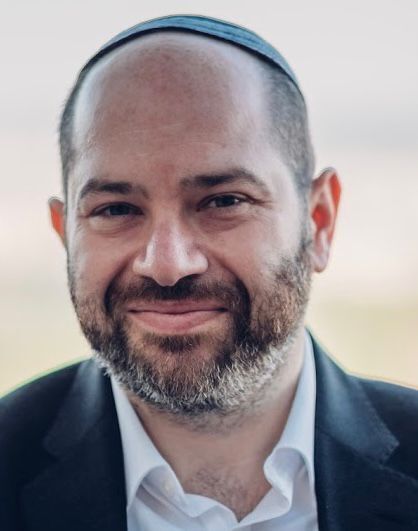
Gideon Schulman
Chief Strategy Officer
Former International HR Director, who has vast experience with HR policies and compliance. Specialises in making sure we follow all current and pending legislation and plan a strategic oversight of the organisation.
EDI—Equality, Diversity, and Inclusion—is now a staple in board reports, staff surveys, and strategic plans. And that’s progress. But here’s the uncomfortable question I often find myself asking:
Is EDI really as inclusive as it claims to be?
Having spent years working across faith-based organisations, disability charities, education, and governance—I’ve seen both the intent and the gaps.
Inclusion Can Still Be Selective
We talk about inclusion, but we often mean specific types:
- Ethnicity
- Gender
- Sexual orientation
Crucial areas, yes. But what about:
- Religion and belief?
- Neurodiversity?
- Invisible disabilities?
- Socioeconomic background?
- Chronic illness and fluctuating conditions?
True inclusion means everyone feels they belong, not just those who fit the current narrative.
The Risk of ‘One-Size-Fits-All’ Inclusion
Many organisations adopt off-the-shelf EDI policies or programmes. They tick the boxes—but they don’t always ask the difficult, contextual questions:
- Can an observant Jewish employee access Kosher food at conferences?
- Are team socials alcohol-free or accessible to those with mobility needs?
- Does “inclusive language” include room for cultural or faith expression?
- Are neurodivergent colleagues able to thrive—or just survive?
EDI isn’t just about who’s in the room—it’s about how they’re treated once they’re there.
Inclusion Requires Listening, Not Just Messaging
I’ve sat on EDI panels where the loudest voices shape the agenda—while quieter or less represented groups go unheard.
Inclusion doesn’t mean speaking for others. It means creating safe spaces where everyone is invited to speak for themselves, without fear of being dismissed or tokenised.
The Role of Leadership
As leaders, we have to model this. That means:
- Welcoming challenge
- Admitting blind spots
- Checking who isn’t in the room
- Avoiding “performative allyship” and focusing on impact over optics
EDI isn’t a department or a statement—it’s a daily discipline.
Final Thought
I’m proud that EDI is on the agenda. But we must keep asking hard questions. Because if we’re not willing to challenge the assumptions within EDI itself—then it’s not truly inclusive.
Inclusion isn’t about who ticks which box. It’s about making space for everyone, especially those who aren’t easily categorised.
If you’re wrestling with how to make your inclusion efforts more meaningful, I’d be glad to share what’s worked—and what still needs work.
About the author
Gideon Schulman
Chief Strategy Officer
Former International HR Director, who has vast experience with HR policies and compliance. Specialises in making sure we follow all current and pending legislation and plan a strategic oversight of the organisation.